Whether you’re a retail store owner, a museum curator, or a passionate collector, selecting the right display case is crucial. A well-chosen case not only showcases your items beautifully but also protects them, enhances your space, and even impacts sales. With so many options available, finding the perfect fit can seem overwhelming.
This comprehensive guide will walk you through every essential factor, from placement to specialized features, ensuring you make an informed decision. Let’s dive in!
Understanding Your Display Needs: A How-To Guide
Before you even start looking at designs, it’s vital to assess your specific requirements.
Where Will Your Display Case Go?
The location of your display case significantly influences its type and features.
- Freestanding vs. Wall-Mounted: Will your case be in an open area, allowing views from all sides, or will it be backed against a wall?
-
- Freestanding display cases offer 360-degree visibility, ideal for central store placement or museum exhibits where items need to be viewed from every angle.
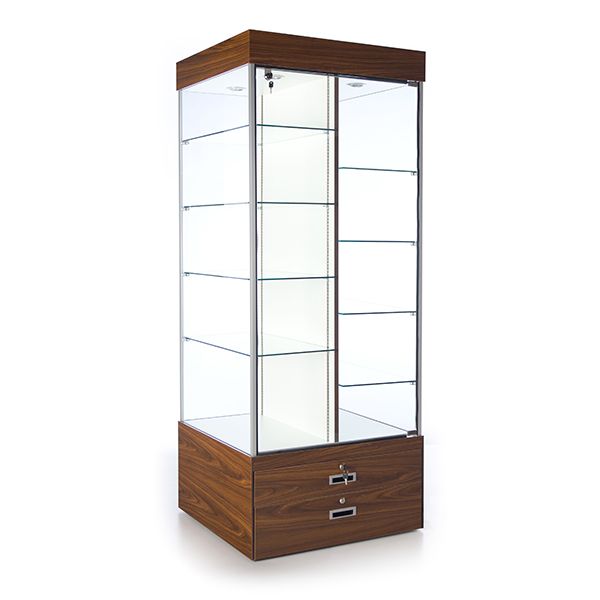
Freestanding Display Case - Wall-mounted display cases are perfect for maximizing floor space, creating a sleek, integrated look, and can be excellent for displaying smaller, focal pieces without obstruction.

Wall Mounted Display Case -
- Along Corridors or Aisles: For spaces with linear layouts, like long hallways or narrow retail aisles, consider display cases with solid side panels. These units are primarily front-view only, allowing for seamless side-by-side placement without exposed ends.
What’s Inside Matters: Visibility & Framing
The way your items are presented is key. The framing of your display case plays a huge role in visibility.
-
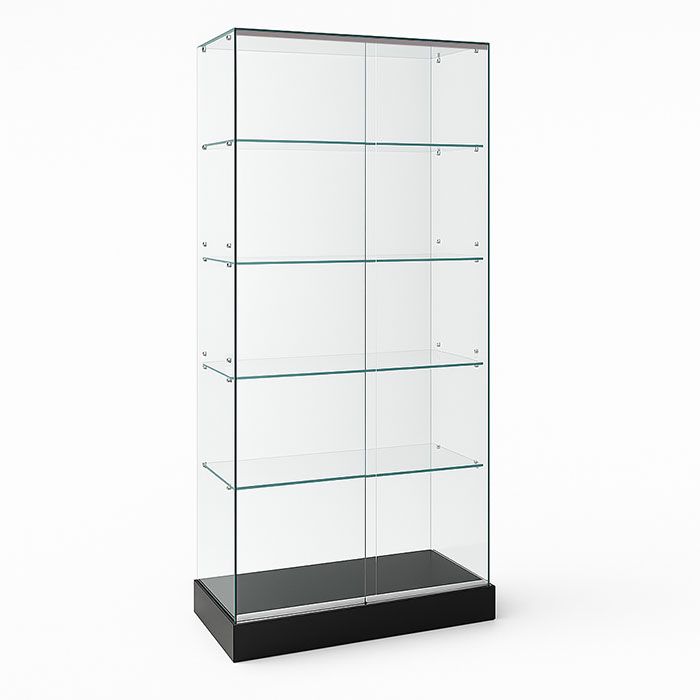
- Frameless (Glass-to-Glass) : This modern design offers maximum product visibility. With minimal hardware and glass panels meeting directly, it provides an unobtrusive view, making your products appear to float. Ideal for contemporary retail environments and high-end jewelry.
-
- Full Vision with Minimal Frame
: These cases offer a blend of extensive visibility with subtle structural support. They provide a clear view of your items while maintaining robust construction, great for upscale displays where strength and aesthetics are equally important.
- Full Vision with Minimal Frame

-
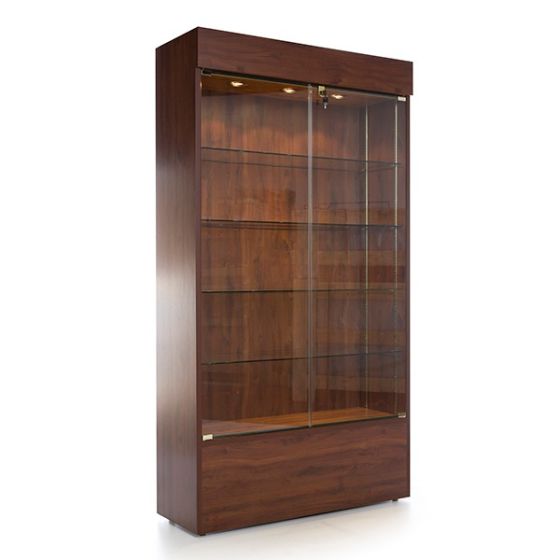
- Solid Side Panels : While these reduce visibility on the ends, they significantly improve structural integrity. This design is excellent for aligning multiple cases side-by-side to create a continuous display wall.
Illuminating Your Treasures: Lighting & Display
Effective lighting can transform a display, drawing attention to your showcased items.
-
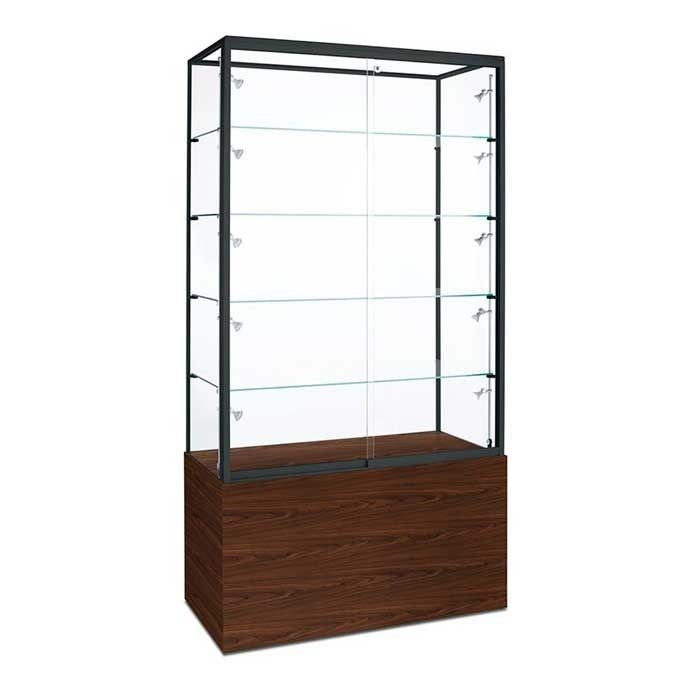
- Internal Illumination : Integrated lighting, such as LED strips or puck lights, is essential for highlighting products, especially in low-light environments. LED lighting is energy-efficient, long-lasting, and produces minimal heat, protecting delicate items.
- Glass Top for Ambient Light : In well-lit areas, a display case with a glass top can optimize available natural or ambient light. This option is cost-effective as it reduces the need for additional electrical components and creates a bright, airy feel.
Keeping Things Safe: Security & Accessibility
For valuable or sensitive items, security is paramount. Accessibility for staff, however, is also a key consideration.
- Locking Doors: Absolutely essential for securing high-value merchandise like jewelry, electronics, rare collectibles, or museum artifacts. Look for robust locking mechanisms.
- Sliding vs. Hinged Doors:
- Sliding doors are perfect for tight spaces because they don’t require any swing clearance. This is a common choice for retail counters where staff space might be limited.
- Hinged doors offer wider access to the display interior, making it easier to arrange and retrieve items. However, they do require more room to open fully.
Beyond the Display: Storage & Base Design
A display case can offer more than just a viewing area.
- Base Storage Options: Many display cases include hidden compartments or cabinets beneath the main display area. This adds valuable functional storage for extra stock, cleaning supplies, or personal staff items, keeping your retail space tidy and efficient.
- Plinth Base vs. Kick Plate Base:
- A raised plinth base creates a grounded, often more traditional or substantial look. It gives the case a solid foundation.
- A slim kick board base offers a lighter, more modern appearance. It also provides better floor clearance, making cleaning underneath easier.
Tailoring Your Space: Shelving & Flexibility
The ability to adapt your display is a major advantage.
- Adjustable Height Shelves: This feature allows you to customize the internal layout for varying product sizes and changing display needs. Whether you’re showcasing tall vases or small figurines, adjustable shelves ensure every item can be perfectly positioned.
The Look and Feel: Aesthetic Style & Material Finish
Your display case should complement your brand’s image and interior design.
-
- Modern vs. Traditional Styling: Choose a look that resonates with your brand’s identity. Sleek lines and minimalist designs suit modern aesthetics, while ornate details and classic finishes are ideal for traditional settings.

- Melamine Laminate vs. Premium Wood Veneer:
- Melamine laminate is a cost-effective, durable, and easy-to-maintain material. It comes in a wide range of colors and finishes, mimicking wood or other textures, making it a versatile choice for many retail environments.
- Wood veneer offers a high-end, authentic finish. It provides a luxurious and warm appearance, making it perfect for luxury retail environments, galleries, or upscale residential settings.
Maximizing Your Space: Size & Footprint
Careful measurement is key to ensuring your display case fits perfectly and functions well within your space.
- Case Dimensions: Always measure your available floor space accurately. Consider not just the length and width, but also the depth, to ensure the display case fits without obstructing traffic flow or creating cramped areas.
- Low vs. Tall Units:
- Low display cases (often counter-height) allow for visibility across the store or can double as functional sales counters. They encourage interaction and are ideal for items that customers can handle with staff assistance.
- Tall cases offer more vertical display area, maximizing merchandising space in a smaller footprint. However, be mindful that they might block sightlines in a retail environment.
Streamlining Operations: Accessibility for Staff
Consider how your staff will interact with the display case daily.
- Rear Entry Design: Decide between open-back cases for maximum ease of access for staff, or fully enclosed options with secure, lockable doors for enhanced security.
- Ease of Restocking: Think about how often the case will need to be restocked. Easily accessible shelving and doors can save staff time and effort, particularly for fast-moving merchandise.
Holding Up: Weight Capacity
Don’t overlook the structural integrity of your chosen display case.
- Shelf Load Limits: This is crucial, especially if you plan to display heavier items. Always check the specified weight capacity for each shelf to ensure it can safely support items like ceramics, electronics, large collectibles, or sculptures.
Special Considerations: Climate Control & Mobility
Certain items or environments require specialized features.
- Climate Control (Optional): For delicate or perishable items like food, art, historical artifacts, or certain electronics, integrated temperature or humidity control is essential. This preserves their condition and prevents damage.
- Fixed vs. Mobile Cases:
- Mobile cases with casters offer incredible flexibility. They are ideal for dynamic store layouts, temporary exhibits, trade shows, or situations where displays need to be frequently rearranged.
- Fixed cases are more secure and stable, often bolted down or heavy enough to deter easy movement. They are better for permanent installations where stability and security are top priorities.
Making Your Mark: Branding & Customization
Your display case can be an extension of your brand identity.
- Custom Finishes or Logos: Many manufacturers offer options to add brand colors, logos, or custom graphics. This creates visual cohesion, reinforces your brand recognition, and makes your display uniquely yours.
- Integrated Signage or Header Panels: These features are useful for displaying promotions, product information, or your brand’s tagline directly on the case, grabbing customer attention.
Inclusive Design: ADA Compliance & Accessibility
Ensuring your display case is accessible to all customers is not just good practice, it’s often a legal requirement.
- Height and Reachability: Verify that the display case meets ADA (Americans with Disabilities Act) guidelines regarding height and reachability, ensuring it is accessible to all customers, including those using mobility devices.
The Bottom Line: Budget & Lifecycle Cost
Beyond the initial price tag, consider the long-term value.
- Durability vs. Price: Don’t just focus on the upfront cost. Invest in a display case that offers good durability and will stand the test of time. A more expensive, high-quality case might have lower maintenance needs and a longer lifespan, leading to better value over time. Consider replacement timelines as well.
Getting It Ready: Assembly & Installation
The ease of setting up your new display case can vary.
- Pre-Assembled vs. Flat Pack:
- Pre-assembled units offer convenience; they arrive ready to use, saving time and effort. However, they may be more expensive and require specialized freight shipping.
- Flat-packed models are easier to maneuver and generally less expensive to ship. The trade-off is that they require self-assembly, which can be time-consuming.
Keeping It Pristine: Maintenance & Cleaning
The ongoing upkeep of your display case impacts its appearance and longevity.
- Ease of Cleaning Surfaces: Opt for materials that are easy to clean and maintain. Fingerprint-resistant glass, scratch-resistant laminate, and smooth, non-porous surfaces can significantly reduce maintenance time and keep your display looking professional.
Tailoring to Your Trade: Industry-Specific Use
Different industries have unique display case requirements.
- Jewelry, Museum, Retail, Salon, Tech, etc.: Tailor your selection based on what you’re displaying. For instance:
- Jewelry cases often need high security, specialized lighting to enhance sparkle, and anti-glare glass.
- Museum cases prioritize climate control, UV protection, and maximum security.
- Tech displays may require integrated cable routing and secure mounting options.
- Salon display cases might focus on showcasing products with good lighting and easy access for staff.
Deep Dive: Popular Display Case Styles
Let’s explore some common types of display cases in more detail.
Glass Display Counter Styles
Glass display counters are workhorses in retail, often found in jewelry stores, electronics shops, cosmetics boutiques, and places selling collectibles. They frequently double as checkout counters or sales desks.
-
- Full Vision Counters : These maximize display area with large glass front and top panels. Minimal framing ensures visibility from multiple angles, making them superb for showcasing fine or fragile items.
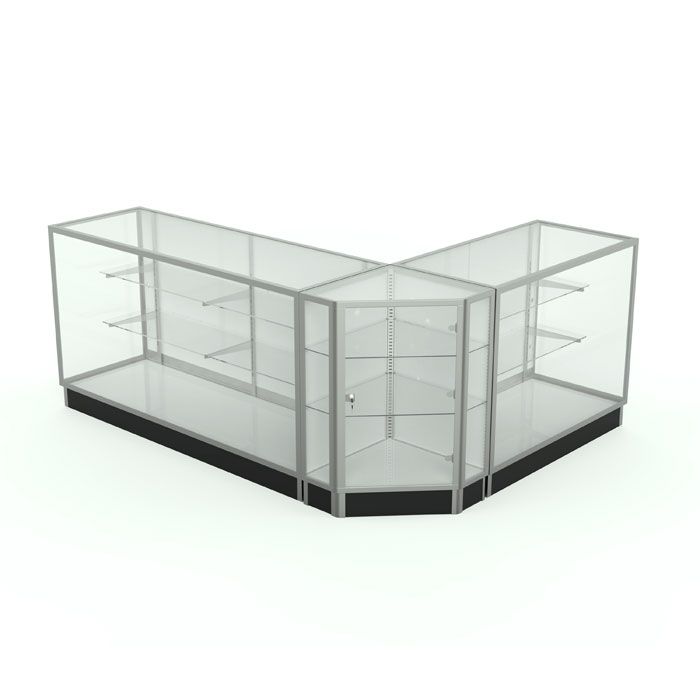
- Half Vision Counters: These clever designs combine a visible upper display section with an enclosed lower base. They’re ideal for balancing visible product display with hidden storage for supplies or inventory.
- Quarter Vision Counters: Featuring a smaller glass viewing area on top, the bulk of these units is dedicated to hidden storage. They are perfect for back-of-house essentials while still offering some front-facing product display.
- Wrap Counters with Glass Front : These combine Point-of-Sale (POS) functionality with a front-facing display. They’re excellent for impulse items placed at checkout, encouraging last-minute purchases.
- Corner Glass Counters (L-Shaped or Curved) : Specifically designed for corner placement, these units create a seamless customer flow and maximize merchandising space, especially in tight areas.
- Cash Wrap Display Combos : These are glass-top counters that smartly integrate a register area with a product showcase. They offer an efficient, all-in-one solution for boutiques, kiosks, or smaller retail spaces.
- Modular Glass Counters
: These versatile units can be combined with other fixtures to create customized U-shaped or L-shaped checkout zones, adapting to your unique store layout needs.
Tower Display Cases (Vertical Display Units)
Tower display cases are space-saving powerhouses designed to feature high-margin or limited-quantity products. They are ideal for entryways, corners, or as eye-catching standalone highlights on the sales floor.
Popular Shapes & Configurations:
-
- Square Towers : The most common and versatile shape. They fit neatly in corners or between other fixtures and allow for easy side-by-side placement to create impressive visual walls.

-
- Hexagonal Towers : These provide 360-degree visibility with a modern, geometric flair. They are excellent for center-floor placement where shoppers can view the case from all sides, perfect for drawing attention.

-
- Round (Cylindrical) Towers : Offering a sleek, contemporary aesthetic with full panoramic display, these are ideal for luxury items, unique collectibles, or as captivating centerpiece presentations in a high-end environment.

Design Features to Consider:
- Rotating Shelves (Manual or Motorized): Adding dynamic motion is a fantastic way to draw attention. Rotating shelves allow customers to view all angles of a product without needing to move around the case.
- Frameless or Minimal Frame Options: These enhance the floating, elegant look, creating a high-end feel for the displayed items.
- Locking Doors (Typically Hinged): Security is paramount for tower cases, as they often hold valuable items. Hinged locking doors ensure product safety.
- Lighting (Top and/or Side Mounted): Internal LED lighting dramatically improves visual appeal, making products pop, especially in dim or ambient settings. Top lighting illuminates from above, while side lighting can create dramatic effects.
- Base Styles: Tower cases can include mirrored decks to enhance visibility and create an illusion of depth, or traditional plinth/kick plate bases for visual weight and style.
Common Use Cases for Tower Displays:
- Jewelry and watches
- Figurines and collectibles
- Perfume or cosmetic displays
- Award and trophy presentations
- Small, high-value electronics
FAQ: Your Display Case Questions Answered
Choosing the perfect display case is an investment that pays off in enhanced aesthetics, improved security, and ultimately, better engagement with your products or exhibits. By carefully considering these factors, you can select a display solution that truly elevates your space. Are you looking to purchase a display case? Browse our display cases at Subastral Inc. Or if you have any questions, feel free to Contact Us today or Call us at ((888) 624-8222.