The right layout in a retail store can make it easier for customers to find the products they want and need, while also exposing them visually to things they might not need but can be convinced to buy. That means that with the right layout, you’ll sell more goods and improve your bottom line. So what do you need to know about retail store layout? Let’s take a look at a few options.
Create a decompression zone. That very first area your customers enter when they step into your store is known as the decompression zone and is absolutely key. Typically, this area will comprise the first 5 to 15 feet of space, depending on the size of your store. By creating an appealing decompression area, you help to convince customers to stay and have a look around.
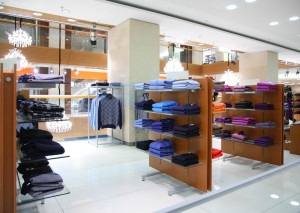
Create a path. One of the best layout options for retail stores is to create some kind of path. Of course, the type of path you choose to create will vary considerably based on the size of your store and the general layout. However, there are a few general tips to consider. Keep in mind that a circular path tends to workout best. You want to take consumers to the back of the store, and then back around to the front again.
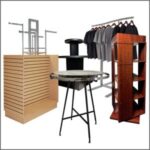
Use merchandise outposts to slow consumers down. You’ve probably put quite a bit of time and effort into your visual merchandising strategy. So the last thing you want is for customers to hurry past your products on the shelves without even taking the time to look at them. This is where retail store layout comes into play. The idea is to create speed bumps that slow consumers down. This can be done through eye-catching displays or attention-grabbing signs, and can also be achieved through use of merchandise outposts. Basically, merchandise outposts are special display fixtures that hold attention-grabbing products, situated at the end of aisles or in between aisles. These outposts have the effect of forcing consumers to slow down and look and can often encourage impulse purchases.